Heat Treatment for Bed Bugs: Your Step-by-Step Eradication Plan
Bed bug outbreaks can generate serious disruption inside a residence. Heat treatment is a proven method for eradicating these pests effectively. This strategy necessitates meticulous organization and application to secure positive results. Understanding the steps involved is vital for homeowners. What should residents be prepared for during this treatment? The following sections outline essential preparations and strategies to maintain a bed bug-free environment, providing a clear pathway toward resolution.
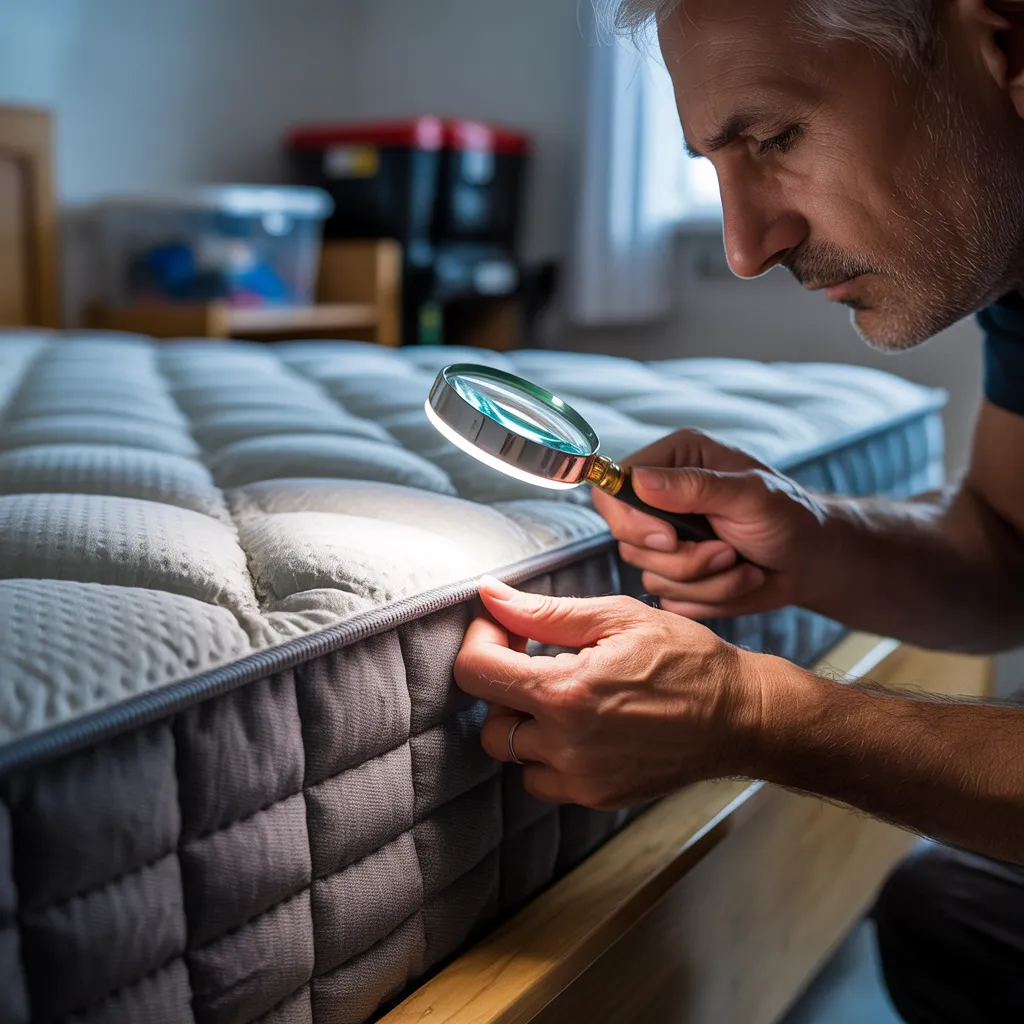
Bed Bug Infestation: What to Do Immediately
When finding a bed bug infestation, swift action is critical to control the situation. The primary step includes determining the scope of the infestation. This is accomplished by examining typical hiding areas such as furniture crevices, mattresses, and bed frames. Upon confirmation, people should limit the spread by separating infested items. This involves placing infested linens and garments in sealed plastic bags.
Next, you should declutter the affected area. This helps eliminate hiding spots while also improving the effectiveness of treatment efforts. Thorough vacuuming can effectively remove both insects and eggs from surfaces, but disposal of the vacuum bag is essential to avoid reinfestation.
As a final step, reaching out to a certified pest management service is advised. They carry the expertise and equipment essential for successful elimination. Swift, determined measures can greatly reduce the scale of the invasion and result in a faster solution.
How Heat Treatment Operates to Remove Bed Bugs
Once determining the severity of a bed bug infestation and implementing early containment protocols, effective treatment options become a priority. Heat treatment stands as one of the most effective approaches to eliminating bed bugs. This process requires elevating the temperature in affected areas to a deadly threshold, generally ranging from 120°F to 140°F. Within this temperature range, bed bugs, nymphs, and their eggs are incapable of surviving.
The process generally needs professional-grade tools that circulates hot air across the entire area, ensuring uniform heat distribution. Compared to chemical solutions, heat penetrates into walls, furniture, and other hidden areas where bed bugs may reside. This comprehensive method destroys every stage of the bed bug life cycle within a single treatment session.
While the treatment is effective, it is essential to verify that all objects within the room can handle high temperatures to avoid damage. The heat treatment process not only removes active infestations but also assists in preventing future ones by eliminating unseen populations.
Essential Preparations for Heat Treatment Success
Successful heat treatment for bed bugs requires careful preparation to maximize effectiveness. Before treatment begins, it is essential to remove clutter from the area to ensure heat reaches all surfaces. Every item, particularly those that may harbor bed bugs, should be relocated or addressed independently. Furthermore, laundering and drying bedding, garments, and curtains at high temperatures can assist in destroying any pests or eggs that may be context information present.
Furniture should be moved away from walls to establish a buffer zone, enabling optimal airflow during treatment. Electronic devices and delicate items must be removed or safeguarded, since excessive heat may cause damage to them. Additionally, sealing cracks and crevices will limit areas where bed bugs can conceal themselves, boosting the overall efficacy of treatment. These essential steps lay the groundwork for successful eradication and enable a more comprehensive application of heat, ultimately resulting in a bed bug-free environment.
What You Can Expect During Heat Treatment
In the course of bed bug heat treatment, residents can expect a transformative process aimed at eliminating these pests. The procedure requires raising indoor heat levels to between 120°F and 140°F, successfully addressing all phases of life of bed bugs, including eggs. As the thermal energy reaches into upholstery, flooring, and other harborage areas, homeowners may experience a heated atmosphere throughout the home.
Property owners should be prepared for a degree of inconvenience, as the treatment typically lasts a number of hours to secure complete coverage. Experienced pest management professionals will closely observe heat levels, employing professional-grade tools to sustain the necessary temperatures. While no visible signs of bed bugs may be apparent immediately, the heat treatment is formulated to eliminate infestations across every stage. It is essential for residents to remain out of the treated area until the area has been certified safe, safeguarding their safety during this intensive eradication process.
Next Steps for Keeping Your Home Bed Bug-Free
After heat treatment, maintaining a bed bug-free home calls for consistent preventive action. Homeowners are advised to carry out routine checks, concentrating on frequent harborage points such as furniture seams, mattresses, and bed frames. Utilizing protective encasements for mattresses and box springs may reduce the risk of future infestations by enclosing any bugs that may remain.
Consistent cleaning is vital; frequent vacuuming and cleaning bedding and clothing in hot water will aid in eradicating any existing eggs or pests. Additionally, reducing clutter around the home minimizes hiding spaces and makes inspections easier.
It is equally important to exercise caution when carrying in second-hand items or luggage, as these can introduce new bed bugs. When any evidence of a recurring infestation is detected, an experienced pest control specialist should be reached out to without delay. By taking these steps, property owners can develop a living space that considerably minimizes the chances of a bed bug recurrence.
Questions We Get Asked Often
Is It Possible to Remain in My Home During Heat Treatment?
No, it is typically recommended that occupants vacate the home during heat treatment for bed bugs. The high temperatures required for effective eradication can pose safety risks and discomfort to occupants and pets.
What Is the Duration of Heat Treatment Completion?
Heat treatment typically takes approximately six to eight hours to be completed, depending on the size of the infested area. The treatment works by elevating the temperature to successfully destroy bed bugs throughout every stage of their life cycle.
Are My Pets at Any Risk During Treatment?
Yes, there are risks to pets during treatment. The high heat involved can be dangerous; as a result, it is necessary to relocate pets from the area before the treatment begins and guarantee their safety until the treatment area cools down.
What Happens if Bed Bugs Return After Treatment
Should bed bugs reappear following treatment, it might signal inadequate eradication or a new introduction of pests. Homeowners should reassess their environment, explore further treatment options, and work with professional exterminators to develop effective approaches for dealing with the recurring infestation.
How Much Does Bed Bug Heat Treatment Cost?
The typical cost of bed bug heat treatment is anywhere from $1,000 to $2,500, influenced by the extent of the infestation and the square footage being treated. Additional factors may influence the final price, like the local market and the pest control company selected.